

Is Mesothelioma a Cancer?
Mesothelioma usually begins in the layers of tissue that surround every lung (the pleura). It may also begin in the layer of tissue that covers organs in your tummy (the peritoneum).
Doctors can diagnose the disease by taking a tissue or fluid sample from the tumor. They then look at the cells under a microscope and determine whether they are cancerous.
What is Mesothelioma?
Mesothelioma is a kind of cancer that affects the tissue of the chest, abdomen, and heart. Exposure to asbestos fibers can cause cell mutations. These mutations can cause the growth of tumors and the mesothelioma cancerous cells spreading throughout the body. The pleural and peritoneal forms of mesothelioma are the most common types.
The symptoms may include coughing, breathing difficulties and weight loss. Other symptoms include discomfort in the chest or abdomen. The symptoms vary depending on the mesothelioma type and the location it is situated. Some people with pleural mesothelioma suffer from fluid accumulation in the chest cavity, which causes breathlessness. cancer and mesothelioma (video assisted thoracoscopic surgical procedure) can be used to eliminate the fluid. A patient suffering from peritoneal mesothelioma may have abdominal or stomach pain, fatigue and a feeling fullness.
The diagnosis of mesothelioma can be based on medical history and physical exam. Doctors will examine the patient and inquire about their past exposure to asbestos as well as any other related symptoms. They may also request imaging tests to examine the tumor or the fluid surrounding it. These tests could include X-rays, CT scans, and PET or MRI scans. Doctors will test the blood of the patient to determine whether certain proteins could be indicative of mesothelioma.
When doctors are determining the stage of mesothelioma, they will look at the kinds of cells that are in the tumor and the speed at which it has spread. Most mesotheliomas consist of epithelioid cells, which are more easily removed by surgery. They have a better outlook than sarcomatoid ones which are more aggressive and are spread more quickly. Between 20 and 30 percent of mesotheliomas comprise composed of both types of cells.
It is often difficult for doctors, due to the rarity of mesothelioma to recognize it. It is often mistakenly diagnosed as other illnesses like pneumonia or lung cancer. A misdiagnosis of mesothelioma can delay treatment and decrease the quality of life of a patient. It is imperative to consult a doctor on a mesothelioma diagnose, for instance, an Oncologist. A specialist will be able to determine the best treatment options in case the mesothelioma is already spreading.
What are the signs of mesothelioma?
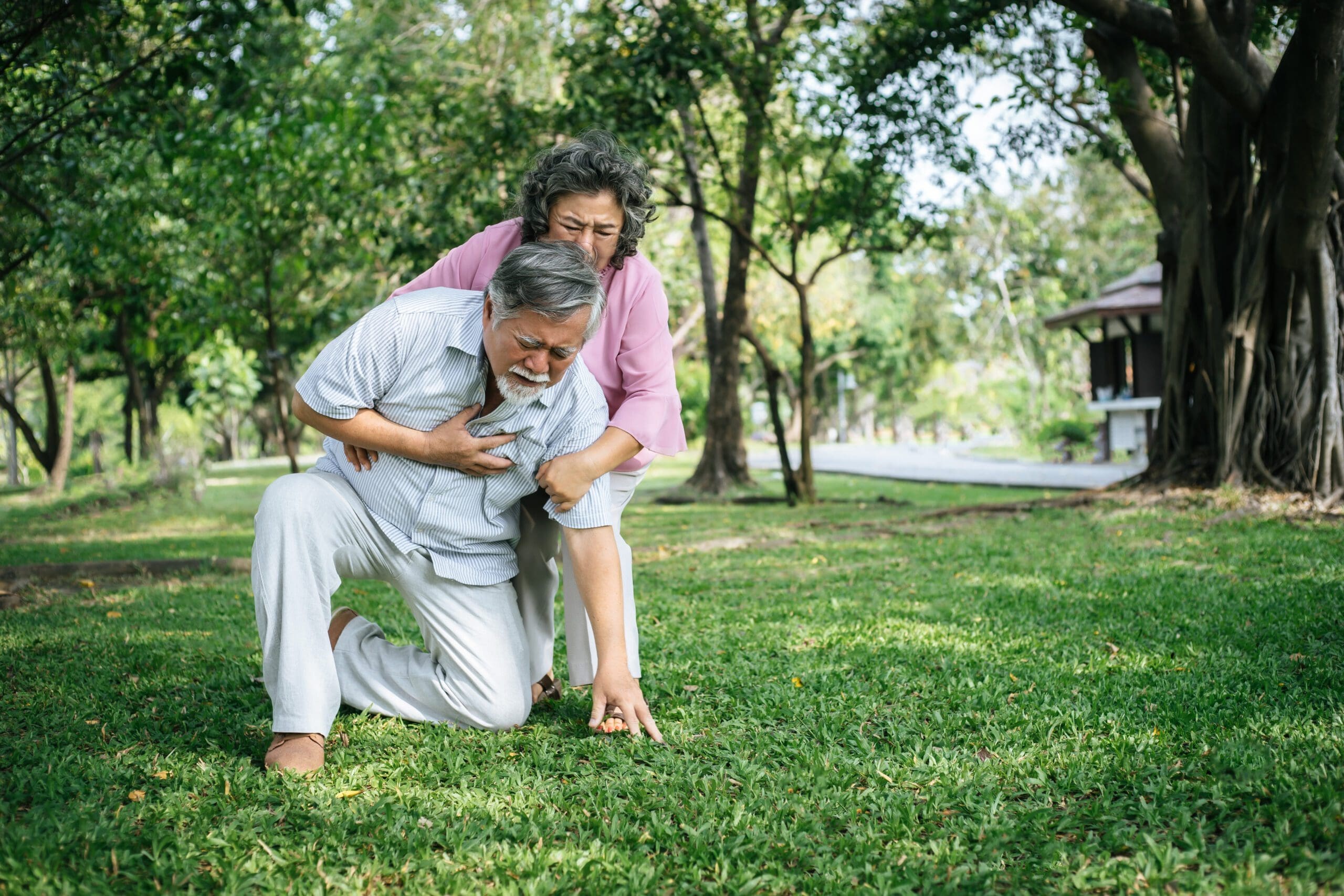
The symptoms of mesothelioma differ depending on the type and stage. Patients with mesothelioma may experience abdominal pain, fatigue, or abdominal pain. Other signs include swelling of the chest or neck and difficulty breathing caused by fluid buildup on the chest wall or in the lungs (pleural effusion).
Patients should seek medical attention immediately if they experience symptoms. Doctors can conduct a physical exam and assess the patient's history of exposure to asbestos. They can then refer the patient to mesothelioma specialists.
X-rays and CT scans are the most frequently used diagnostic tools used to spot signs of mesothelioma. They can reveal tumors in the lung or in the chest wall. These tests can also detect fluid buildup between the lungs and chest wall which is typically associated with mesothelioma pleural.
It is often difficult to recognize mesothelioma as its symptoms are similar to those of other diseases. Therefore, patients might not be diagnosed until mesothelioma has advanced to a later stage. The diagnosis can take up to one year after the first manifestations.
Initial diagnosis of mesothelioma relies on the presence of symptoms, exposure to asbestos and results of imaging and blood tests. To confirm the diagnosis of mesothelioma, doctors must conduct a biopsy on the affected tissue. This is done by inserting a needle in the affected tissue to remove the sample to be analyzed.
Doctors can make use of these samples to determine the type that causes mesothelioma as well as how quickly it spreads throughout the body. Tumors are made up of epithelial cells, sarcomatoid cells or a mixture of both. The type of cell determines how quickly mesothelioma can spread to other body parts, such as the lymph nodes, heart and diaphragm.
Patients with suspected mesothelioma may require physical therapy as well as other treatments to control their condition. Anyone diagnosed with mesothelioma should be referred to an expert in mental health to address the psychological consequences of the disease and locate support groups.
What are the causes of mesothelioma?
Scientists do not know the exact cause of mesothelioma but they do know that asbestos is the most frequent factor. Asbestos is made up of fibrous minerals which are utilized in a variety of ways in industrial manufacturing and construction. Blue-collar workers from the 1930s to the early 1980s were exposed in huge amounts to asbestos in their work places, and were not conscious of the dangers. When asbestos fibers are inhaled or swallowed, they can get trapped in the lining of internal organs like the abdomen, lungs and the pericardium (the membrane that surrounds the heart). Mesothelioma occurs when the cells grow uncontrollably and develop tumors.
Doctors do not have an examination for mesothelioma. However, they will diagnose the disease based on a number of tests. Imaging scans of the abdomen or chest might reveal a lump, swelling, or accumulation of fluid. Doctors may also perform a biopsy, which involves inserting a needle into mesothelioma in order to remove the cells, which can then be examined under microscopes to confirm the diagnosis.
Based on how far the cancer has spread and what part of the body is affected, other tests could be conducted to determine its stage. These tests may include CT scans, PET scans, MRIs and echocardiograms (which check the structure of your heart), and mediastinoscopy.
If you experience symptoms that may indicate mesothelioma, you need to speak with your doctor. A thorough physical examination and an examination of your work history will determine if you've been exposed to asbestos. Your doctor will treat a mesothelioma diagnose seriously and refer you to an expert to conduct further tests.
Mesothelioma can be misdiagnosed because it is a rare condition. This can lead to delays in treatment and accelerate the progression of the disease. It is crucial to get a second opinion, especially in cases where smoking is a problem. A good mesothelioma specialist can help you get the most effective treatment and the best prognosis.
What are the treatments for mesothelioma?
There are a variety of treatment options that are available to patients with mesothelioma. The treatment method chosen depends on a variety of variables such as the stage of the cancer and the location it has spread throughout the body. The aim of treatment is to enhance the quality of life for the patient and alleviate symptoms, as well as to prevent cancer from returning.
Doctors employ a mix of physical examinations along with medical tests and scans to determine if mesothelioma is causing the person's symptoms and signs. In a majority of instances, doctors will order a biopsy to confirm the mesothelioma diagnosis. A biopsy is the removal of fluids or tissue from the tumor to be examined under a microscope.
Asbestos victims may qualify for assistance paying for mesothelioma treatments. Asbestos sufferers should consult an expert in mesothelioma and receive a reliable mesothelioma diagnosis in order to improve their chances of receiving the correct treatment. An incorrect diagnosis of mesothelioma could delay treatment and allow the cancer time to develop.
In the lungs, mesothelioma surgery is typically performed to treat breathlessness or other signs caused by mesothelioma. Doctors can undergo an pleural pneumonectomy, for instance, to remove the affected lung tissue, the lining within the chest cavity, as well as a part of the diaphragm. They can also perform pleurectomy and pulmonary decortication in order to remove as much mesothelioma possible.
Doctors can remove fluid from the abdominal cavity of people suffering from peritoneal cancer by inserting tubes into the abdomen. Radiation therapy can be used to shrink tumors. Chemotherapy is one of the most common treatments for mesothelioma and is often used in conjunction with other treatments.
Researchers continue to explore ways to detect mesothelioma earlier. A blood test is being used to measure the amount of mesothelioma cells-released protein in the bloodstream. This could help doctors diagnose the disease earlier and possibly save lives. Patients with mesothelioma should consult their doctors about taking part in a mesothelioma research trial. This helps to develop new treatments and could improve survival rates. The mesothelioma community offers support for patients and their loved ones and their families, including local support groups, accommodation programs for families of ill patients, mesothelioma information phone centers, and rides to treatment.